Your First Visit To A Dentist On The Central Coast: What To Expect At A Check-up
Walking into a dental clinic for the first time in a while can feel a bit like showing up to the gym after a long break. You know it’s good for you, you’ve meant to do it, and now that you’re here you just want to understand what’s going to happen and how it all works. A routine dental check-up is one of the simplest ways to protect your teeth and gums long term, but if you’re not sure what to expect, the whole thing can feel bigger than it needs to.
A first visit is really about two things: getting a clear picture of your oral health right now and making a practical plan for keeping it that way. There’s no mystery process or hidden agenda. It’s structured, thorough and designed to give you answers. Here’s what typically happens, step by step, so you can walk in feeling prepared.
Getting you settled and understanding your history
Your appointment usually starts before you even sit in the chair. A dental team needs a baseline understanding of your health and your goals, because mouths don’t exist in isolation from the rest of the body. The first few minutes are about gathering information and making sure you’re comfortable.
You’ll be asked about things like:
- your general medical history including medications and allergies
- any dental concerns you’ve noticed, even if they seem minor
- habits that affect oral health such as grinding, smoking, sugary drinks or reflux
- your past dental experiences including any anxiety triggers
- what you want from your dental care, whether that’s prevention, cosmetic improvement or pain relief
This part matters because it helps guide the rest of the visit. For example, a history of sensitivity may change how a clean is approached, and certain medications can affect gum health or healing. It also gives you a chance to say what you’re worried about, so the dentist knows what to focus on.
A full-mouth examination, not just a quick look
Once you’re in the chair, the dentist will perform a detailed examination of your teeth, gums, bite and jaw. This isn’t just checking for holes in teeth. It’s about how everything is functioning together.
During this exam, the dentist typically checks:
- each tooth for decay, cracks, wear or loose fillings
- gum health, including signs of bleeding, swelling or recession
- your bite and jaw movement, looking for clenching or alignment issues
- soft tissues like cheeks, tongue and palate for changes or lesions
- signs of infection, inflammation or chronic dryness
If you have a specific concern, like a sore spot or a tooth that catches when you chew, this is the time to point it out. The dentist will often use a small mirror and probe to check around each tooth and they may measure gum pockets to look for early gum disease. None of this should be painful, but you may feel light pressure in some areas.
Why X-rays are often part of a first check-up
Many problems sit below the surface. Dental X-rays give your dentist a view of what the eye can’t see such as decay between teeth, infection at the root, and bone levels around gums. If you haven’t had dental imaging recently, it’s common to take some at your first visit.
The dentist may recommend X-rays to:
- identify hidden decay or old fillings that are failing
- check tooth roots and surrounding bone
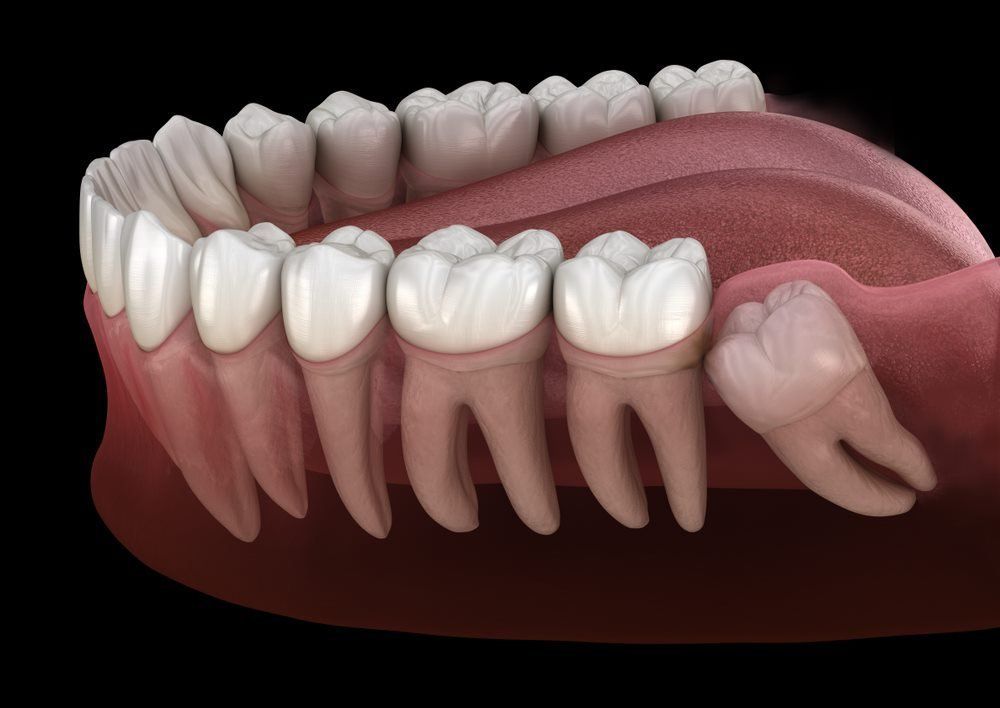
- assess wisdom teeth or impacted teeth
- look for signs of infection or abscess
- monitor gum and bone health over time
X-rays are quick and low-dose, and they give a much clearer diagnostic picture. If you’ve had recent images done elsewhere, you can bring them along so they don’t need to be repeated. Either way, you’ll be told why they’re being taken and what they show.
The clean: scale, polish and gum care
Most first visits include a professional clean, often called a scale and clean. This targets plaque and hardened tartar (calculus) that builds up even with good brushing. The goal is to reduce inflammation, protect enamel and keep gums stable.
A typical clean involves:
- scaling, where tartar is removed above and below the gumline
- careful attention to problem areas such as behind lower front teeth
- polishing to remove surface stains and smooth the enamel
- flossing and rinsing to clear out debris
- guidance on brushing and flossing technique if needed
If you have sensitive gums or there is a lot of tartar, the clean might be done in stages or with numbing gel. For people with gum disease, the dentist may recommend a deeper clean or periodontal treatment, which can be discussed after the exam.
Screening for non-tooth issues you might not notice
A check-up isn’t only about teeth. Your mouth can show early signs of broader health issues including oral cancer, autoimmune conditions and chronic inflammation. Dentists are trained to spot changes that most of us wouldn’t think twice about.
Screening may include:
- a visual and tactile check of soft tissues
- assessment of salivary flow and dryness
- inspection of tongue and throat areas
- checking for lumps, unusual patches or persistent ulcers
This part is fast, but important. Early detection is one of the key reasons routine dental visits are so valuable. If anything unusual is seen, you’ll be told clearly what it might mean and what the next step is, which is usually monitoring or a referral.
Talking through findings in plain language
After the exam and clean, your dentist should explain what they found in a way that makes sense. This is where you move from “I wonder if everything’s ok” to knowing what’s happening and why.
You can expect:
- a summary of your current dental health
- a clear explanation of any issues, shown on photos or X-rays
- what needs attention now versus what can be monitored
- options for treatment, including pros, cons and costs
- time to ask questions without being rushed
If you need a filling, a crown, gum treatment or anything more involved, you’ll be given a treatment plan. Good dentistry is collaborative, not pushy. You’re in control of what happens next and you should always feel comfortable saying you need time to decide.
Preventive advice tailored to your mouth
A first check-up is also a chance to upgrade your daily routine in small, realistic ways. Oral health isn’t about perfection. It’s about consistency and picking tools that work for your needs.
Advice may cover:
- brushing technique and which areas you’re missing
- flossing, interdental brushes or water flossers
- toothpaste choices for sensitivity, enamel support or gum care
- fluoride treatments if you’re at higher risk of decay
- dietary habits that affect enamel and acidity
Even if everything looks healthy, this moment matters. Prevention is far cheaper and easier than treatment later. Small adjustments now can prevent big problems down the track.
What happens after the visit and how often to return
Before you leave, you’ll usually be guided on next steps. For many people, that’s simply booking the next check-up. For others, it may involve follow-up treatment.
Your dentist may recommend:
- routine check-ups every six months for most adults
- shorter intervals if you have active decay or gum issues
- longer intervals if your risk is low and stability is confirmed
- specific follow-up appointments for treatment
- a maintenance clean schedule based on how fast tartar builds up
You should also leave with a sense of what is normal for your mouth. If the dentist mentions early wear, mild gum recession or a tooth to watch, that’s useful context. It means you and your dental team have a shared plan, rather than waiting for problems to appear.
Make a booking today
We at
New Leaf Dentists know that booking your first check-up can feel like a big step, especially if it’s been a while or you’re dealing with sensitivity, anxiety or a tooth that’s been “mostly fine” until recently. On the Central Coast, we also see how busy schedules, coastal conditions and outdoor lifestyles can affect dental health in unique ways, from faster wear to dry mouth and staining. If you’re ready for a clear, friendly assessment and a plan that suits your situation, you can
book online or get in touch through our homepage at https://www.newleafdentists.com.au/ and we’ll help you take the next step with confidence.

Dr Rouel
New Leaf Dentist
DMD, Gen. Dent. Cert., P.G. Dip. Digital Orthodontics, FPFA, FICD, FICCDE, FADI
Rouel is the Principal Dentist at New Leaf Dentists in Erina, NSW, known for his gentle, patient-focused care. He holds a Doctor of Dental Medicine and a Postgraduate Diploma in Digital Orthodontics, with interests in endodontics, prosthodontics and minimally invasive dentistry. Rouel is committed to ongoing education, contributes to CPD training, and currently serves as President (2024–2026) of the Filipino Australian Dental Association.