Step-by-step Guide: Your Journey To Straight Teeth With Invisalign
For many people, the idea of straightening teeth comes with mixed feelings. On one hand, there’s the excitement of a confident smile. On the other, there’s hesitation about the look and feel of traditional braces. That’s where Invisalign offers a modern alternative—clear aligners designed to fit seamlessly into everyday life.
If you’ve been thinking about treatment, you might be wondering: What actually happens once I start
Invisalign? This guide walks you through every step, from your very first consultation to the moment you reveal your new smile.
Step 1: The Initial Consultation
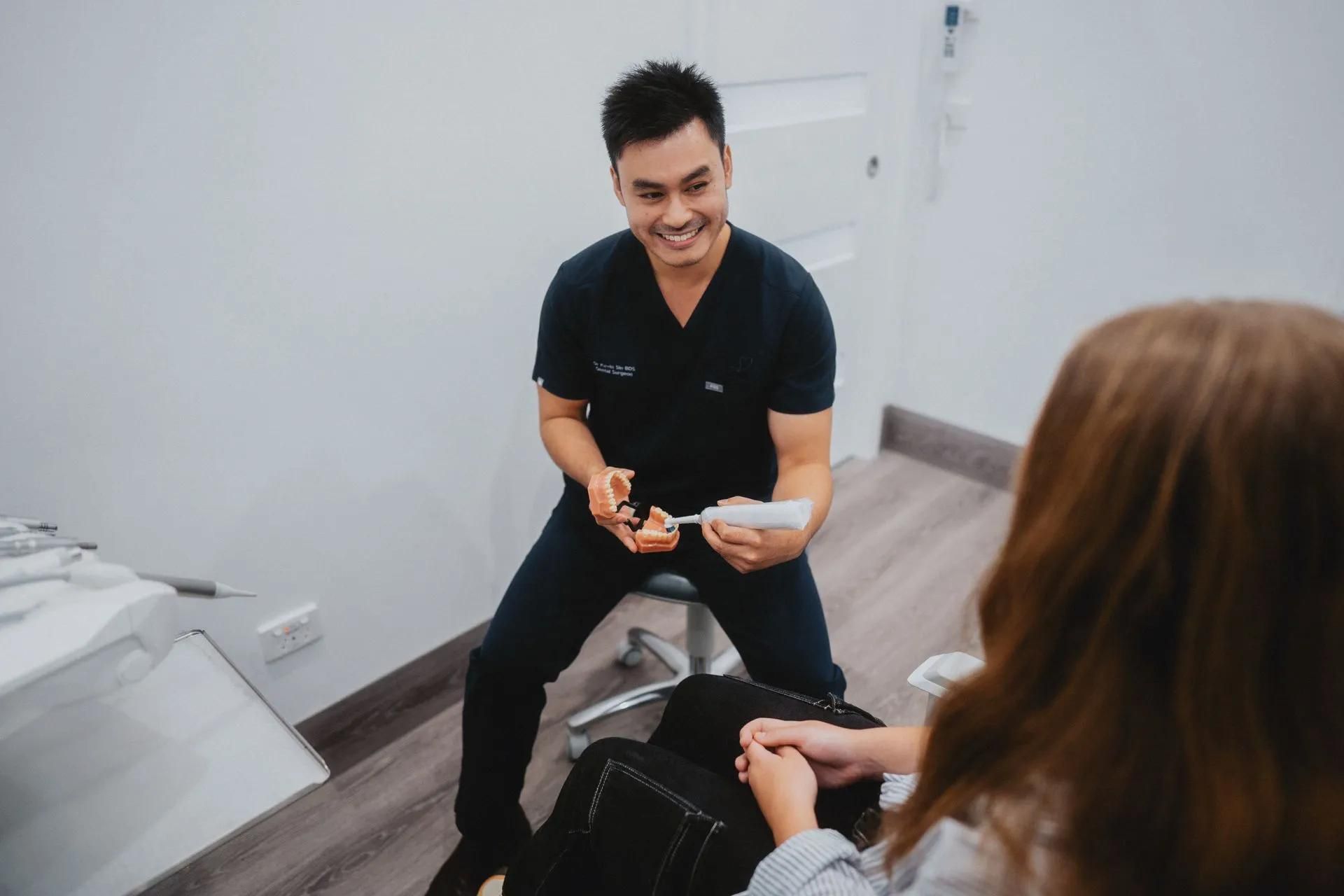
Every Invisalign journey begins with a personalised consultation. At this appointment, your dentist will:
- Examine your teeth and bite to see if Invisalign is the right solution.
- Discuss your goals—whether it’s closing gaps, straightening crowded teeth, or correcting bite issues.
- Explain how Invisalign compares to other orthodontic options so you can make an informed choice.
This is also your chance to ask questions about treatment time, comfort, and cost. Not everyone is an ideal candidate, but many mild to moderate cases are suitable for Invisalign. Teens and adults who want a discreet, flexible treatment often find it to be the perfect fit.
Step 2: Digital Scans and Treatment Planning
If you decide to move forward, the next step involves creating a digital blueprint of your smile. Instead of messy impression trays, Invisalign uses 3D digital scans of your teeth.
With these images, advanced software maps out a treatment plan showing exactly how your teeth will move over time. You’ll even see a virtual preview of your expected results before treatment begins. This technology provides reassurance—you’ll know what your new smile should look like before you commit.
This planning stage ensures precision. Each aligner is custom-made for your teeth and designed to move them gradually into place.
Step 3: Fitting Your First Aligners
Once your aligners are ready, you’ll return for your fitting appointment. Here’s what happens:
- Your dentist checks that the aligners fit snugly and comfortably.
- Small, tooth-coloured attachments may be placed on certain teeth to help guide movement.
- You’ll receive instructions on wearing and caring for your aligners.
From day one, you’ll be wearing your aligners for 20–22 hours per day, removing them only for eating, drinking and cleaning. It can feel strange at first, but most people adapt quickly.
Step 4: Adjusting to Daily Life
It usually takes a few days to get used to aligners. Some patients notice a slight lisp at first or mild pressure when a new set is fitted. Both fade quickly as your mouth adapts.
Day-to-day life with Invisalign is simple:
- Remove aligners before meals, then brush before putting them back in.
- Clean aligners daily to keep them clear and odour-free.
- Switch to your next set of aligners every 1–2 weeks, depending on your dentist’s instructions.
Invisalign can be far less disruptive than traditional braces—no food restrictions, no emergency visits for broken wires and minimal discomfort.
Step 5: Regular Check-Ins
Throughout your treatment, you’ll have regular check-ups, usually every 2–4 weeks. These appointments allow your dentist to:
- Track your progress against the digital plan.
- Provide your next sets of aligners.
- Make adjustments if needed.
These visits are short and straightforward, giving you ongoing reassurance that everything is on track.
Step 6: Watching the Transformation
One of the most rewarding parts of Invisalign is knowing your treatment is actively working in the background. Each new set of aligners makes small, controlled adjustments, and over time these add up to a noticeable transformation. Because the aligners are clear, you may feel more comfortable and confident wearing them compared to traditional braces.
Step 7: Completing Treatment
When you reach your final set of aligners, your dentist will assess your results against the original treatment plan. In many cases, the transformation is complete at this point. Occasionally, minor refinements with additional aligners may be recommended to perfect the outcome.
This stage is all about celebrating the hard work and commitment you’ve invested.
Step 8: Retainers and Aftercare
Just like with braces, retention is crucial. After Invisalign, you’ll need to wear retainers to keep your teeth in their new positions.
- At first, retainers are worn daily (similar to aligners).
- Over time, usage may reduce to nights only.
- Your dentist will advise how long you should continue.
Good aftercare protects your investment and ensures your smile stays straight for years to come.
Step 9: Living With Your New Smile
The final stage of the journey is enjoying the results—straighter teeth, a healthier bite and renewed confidence. The intention is to help you smile more, feel better in social settings, and improve oral hygiene (straight teeth are easier to clean).
For teens, this boost can make school years more positive. For adults, it can enhance both professional and personal life.
Common Questions About Invisalign
“Is Invisalign painful?”
Patients typically only feel mild pressure for the first few days of each new aligner. It’s a sign that your teeth are moving.
“How long does treatment take?”
On average, treatment lasts 12–18 months, though minor adjustments can take less than a year.
“Can I eat and drink with aligners in?”
You’ll remove them before meals. Water is the only safe drink while wearing aligners.
“Will people notice I’m wearing Invisalign?”
The aligners are clear and discreet. Unless someone looks very closely, they’re unlikely to notice.
“Is Invisalign suitable for teenagers?”
Yes—Invisalign Teen is designed specifically for younger patients, with features like eruption tabs for growing teeth.
Why Patients Choose Invisalign
Beyond aesthetics, Invisalign offers practical benefits:
- Discreet: Nearly invisible, making it ideal for professionals and teens alike.
- Comfortable: Smooth aligners reduce irritation compared to wires and brackets.
- Convenient: Easy to remove for meals and cleaning.
- Predictable: Digital planning ensures clear timelines and results.
These advantages explain why millions worldwide have chosen Invisalign to straighten their teeth.
Considering Invisalign on the Central Coast?
Straightening your teeth is a journey—but with Invisalign, it’s one designed around comfort, discretion and results. From your first consultation to your last retainer, every step is mapped out with precision and care.
If you’re considering discreet orthodontic treatment, New Leaf Dentists offers Invisalign on the Central Coast. Whether you’re a parent exploring options for your teen or an adult ready to invest in your smile, our team provides a tailored experience that makes your Invisalign journey smooth and rewarding.

Dr Rouel
New Leaf Dentist
DMD, Gen. Dent. Cert., P.G. Dip. Digital Orthodontics, FPFA, FICD, FICCDE, FADI
Rouel is the Principal Dentist at New Leaf Dentists in Erina, NSW, known for his gentle, patient-focused care. He holds a Doctor of Dental Medicine and a Postgraduate Diploma in Digital Orthodontics, with interests in endodontics, prosthodontics and minimally invasive dentistry. Rouel is committed to ongoing education, contributes to CPD training, and currently serves as President (2024–2026) of the Filipino Australian Dental Association.