Is Teeth Whitening Suitable For Your Teeth?
It’s common to notice gradual changes in the colour of your teeth over time. Coffee, tea, red wine and ageing can all contribute to staining. For many people, whitening appears to be a simple way to refresh the look of their smile. At the same time, it is normal to have questions. Does whitening affect enamel? Will it cause ongoing sensitivity? Is it the right option for everyone?
These questions are understandable. Teeth whitening involves chemical processes, and understanding how these processes work can help you consider whether it may be appropriate for you. Whitening methods vary, and individual dental health plays an important role in how treatment is experienced.
Below, we look at how whitening works, possible side effects, and how dentist guidance can assist with informed decision-making.
How Teeth Whitening Works
Teeth whitening products commonly contain peroxide-based ingredients used to lighten discolouration. These ingredients move through the enamel and interact with stain molecules, breaking them into smaller compounds that appear lighter.
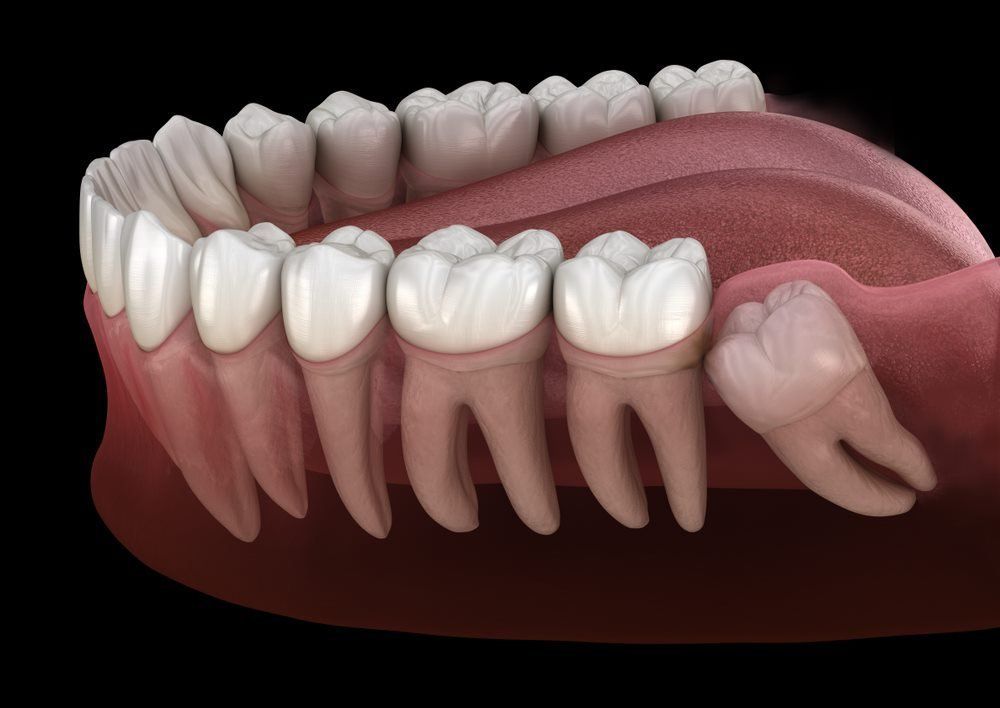
Enamel is the outer protective layer of the tooth. It is highly mineralised and acts as a barrier for the structures inside the tooth. Whitening treatments do not remove enamel. Instead, they change the chemical structure of stains located within it.
When whitening products are used according to instructions, the process focuses on altering how stains reflect light rather than removing tooth structure. This distinction helps explain why whitening differs from abrasive cleaning methods that may gradually wear enamel if used excessively.
Sensitivity During or After Teeth Whitening
Some people notice increased tooth sensitivity during or shortly after whitening treatment. This may appear as short, sharp sensations when consuming hot or cold food and drinks.
Sensitivity may occur because whitening agents temporarily influence microscopic channels within the enamel. These channels connect to the inner portion of the tooth, which can react to temperature changes.
Common experiences include:
- Mild tingling during treatment
- Brief discomfort with cold drinks
- Increased awareness in certain teeth
For many individuals, these sensations reduce after treatment is paused or completed. Dentists on the Central Coast often discuss the possibility of sensitivity beforehand so patients can consider timing and treatment options.
Not All Whitening Products Are the Same
Whitening options range from supermarket strips to dentist-provided systems. The main differences relate to ingredient concentration, fit and level of supervision.
Over-the-counter products often contain lower concentrations of active ingredients and use generic trays or adhesive strips. These may not match the shape of each person’s teeth precisely, which can increase the chance of contact with the gums.
Dentist-guided whitening is usually customised. This may involve fitted trays for home use or in-chair treatments where exposure time is monitored. The approach selected depends on oral health considerations and the degree of shade change a person hopes to achieve.
Because of these variations, experiences with whitening can differ from one person to another.
A Dental Assessment Can Help Determine Whether Whitening May be Appropriate
Whitening is commonly considered when teeth and gums are in stable condition. Before beginning treatment, a dentist may review oral health to identify factors that could influence comfort or results.
An assessment may include:
- Checking for untreated tooth decay
- Reviewing gum condition
- Examining cracks or areas of worn enamel
- Discussing previous sensitivity
If certain concerns are identified, they may be addressed before whitening is considered. Whitening is often discussed as part of broader cosmetic care rather than as a standalone procedure. This allows patients to look at treatment within the context of overall dental health.
Existing Dental Work Can Respond Differently to Whitening
Crowns, veneers and fillings do not change colour in response to whitening products. Because of this, people with visible restorations may notice differences between treated natural teeth and existing dental work.
This does not automatically rule out whitening, but it may require some planning. In some situations, people choose to review the shade of restorations after whitening if colour differences become noticeable.
Discussing these factors in advance can help clarify expectations. Whitening alters the appearance of natural enamel rather than artificial dental materials.
Frequent Use of Whitening Products May Increase Irritation
Whitening treatments are designed to be used according to specific instructions. Using products more frequently than advised may increase the likelihood of gum irritation or prolonged sensitivity.
Important considerations include:
- Following recommended application times
- Allowing breaks between treatment cycles
- Avoiding the use of multiple whitening products at the same time
- Seeking advice if discomfort continues
Whitening is not designed for continuous use, and spacing treatments appropriately may help reduce irritation.
Lifestyle Habits Can Influence How Long Whitening Changes Remain Visible
The appearance of whitened teeth may gradually change over time. Habits such as drinking coffee or tea, consuming red wine or smoking can influence how quickly staining returns.
Maintaining daily oral hygiene and attending routine dental check-ups and cleans may reduce the build-up of surface stains. Individual enamel characteristics also play a role in how stains develop.
For many people, whitening is viewed as part of ongoing cosmetic maintenance rather than a permanent change.
Dentist-Guided Whitening as Part of Broader Cosmetic Dental Care
Teeth whitening is one aspect of cosmetic dentistry on the Central Coast. It may be discussed alongside options such as veneers, bonding or other smile-related treatments.
Dentist-guided whitening may involve:
- Shade assessment before and after treatment
- Customised trays for home use
- Monitored in-chair whitening
- Follow-up reviews if needed
Considering teeth whitening as part of a broader dental care discussion allows patients to explore how it may align with their personal goals, current oral health and any existing dental work that may influence how whitening appears.
If you are thinking about teeth whitening and would like to discuss any concerns or available options, New Leaf Dentists offers consultations for people interested in teeth whitening on the Central Coast. Many local patients look into whitening as part of their wider cosmetic dental care. Visit our website to learn more or contact the clinic to arrange an appointment and talk through your questions.

Dr Rouel
New Leaf Dentist
DMD, Gen. Dent. Cert., P.G. Dip. Digital Orthodontics, FPFA, FICD, FICCDE, FADI
Rouel is the Principal Dentist at New Leaf Dentists in Erina, NSW, known for his gentle, patient-focused care. He holds a Doctor of Dental Medicine and a Postgraduate Diploma in Digital Orthodontics, with interests in endodontics, prosthodontics and minimally invasive dentistry. Rouel is committed to ongoing education, contributes to CPD training, and currently serves as President (2024–2026) of the Filipino Australian Dental Association.