Cosmetic Dentistry Vs Restorative Dentistry: What’s The Difference?
Dental treatments can address different concerns, from discoloured or uneven teeth to damage, decay and missing teeth. While some treatments focus on appearance, others aim to restore how your teeth function.
If you're considering cosmetic dentistry on the Central Coast, understanding how cosmetic and restorative treatments differ can help you explore your options.
Although these approaches have different purposes, they often overlap. The appropriate treatment depends on your oral health, individual concerns and what you hope to achieve.
Cosmetic vs Restorative Dentistry: The Core Difference in Purpose
Cosmetic dentistry primarily focuses on changing the appearance of teeth, including their colour, shape, alignment and symmetry. Restorative dentistry focuses on repairing damaged or decayed teeth, replacing missing teeth and restoring oral function. Some procedures address both concerns, depending on the condition of the teeth and the patient's treatment goals.
The main differences are:
- Cosmetic dentistry focuses on appearance through treatments such as whitening, veneers and teeth straightening.
- Restorative dentistry addresses damaged, decayed or missing teeth through fillings, crowns and tooth replacement.
- Both approaches may be combined when a patient has concerns about appearance and oral function.
A dental examination can help determine whether cosmetic treatment, restorative care or a combination is appropriate.
What Cosmetic Dental Procedures Are Designed to Do
Cosmetic procedures aim to change specific aspects of how teeth look. Teeth whitening can lighten certain types of discolouration, while composite bonding uses tooth-coloured resin to modify the appearance of minor chips or uneven edges. Veneers cover the front surfaces of teeth to change their visible shape or colour. Teeth straightening treatments, including Invisalign, gradually reposition teeth using orthodontic appliances. Suitability varies depending on tooth condition, alignment and oral health.
Common cosmetic treatments are used for:
- Improving tooth colour through whitening where clinically appropriate.
- Changing the appearance of chipped, uneven or discoloured teeth using bonding or veneers.
- Adjusting tooth alignment through suitable orthodontic treatment.
Each option has different requirements, limitations and maintenance considerations that should be discussed before treatment.
How Restorative Dental Treatments Repair & Replace Teeth
Restorative dentistry addresses problems that affect tooth structure and function. Fillings replace areas affected by decay or minor damage, while dental crowns cover teeth that require additional structural restoration. Root canal treatment may be considered when the pulp inside a tooth becomes infected or inflamed. Dental implants can support replacement teeth where natural teeth are missing, while bridges are another general tooth-replacement option.
Restorative dental treatments may be recommended to:
- Repair teeth affected by decay, fractures or structural damage.
- Treat certain infections or inflammation affecting the inside of a tooth.
- Replace missing teeth to support chewing and other oral functions.
Treatment selection depends on the extent of damage, remaining tooth structure and the patient's overall oral health.
Where Cosmetic & Restorative Dentistry Overlap
Some dental procedures address appearance and function at the same time. A crown may restore a cracked tooth while being designed to resemble surrounding teeth. An implant-supported replacement tooth can help restore chewing function while filling a visible gap. Straightening certain misaligned teeth may also make cleaning easier and help address wear associated with particular bite problems. However, these outcomes depend on individual circumstances, and treatment plans may involve more than one approach.
Examples of this overlap include:
- A tooth-coloured crown that restores damaged tooth structure while matching neighbouring teeth.
- A dental implant restoration that replaces a missing tooth and changes the appearance of the smile.
- Orthodontic treatment that changes alignment while potentially addressing certain functional concerns.
Discussing both appearance and function helps establish what each proposed treatment can realistically address.
Why Oral Health Comes Before Aesthetics
Before considering cosmetic changes, it's important to assess the health of your teeth and gums. Untreated decay, gum inflammation or other dental conditions may affect whether a cosmetic procedure is suitable. This initial assessment is sometimes described as establishing dental fitness. Treating existing oral health problems first allows subsequent cosmetic options to be considered in the context of a healthier mouth.
An initial dental assessment may identify:
- Tooth decay or existing restorations requiring attention.
- Gum disease or inflammation that needs treatment.
- Bite or alignment concerns that could influence cosmetic choices.
Addressing these issues helps establish a suitable starting point before making decisions about appearance-related treatment.
How to Decide Which Treatment Path Is Right for You
Choosing between cosmetic and restorative dentistry starts with understanding your main concern. Someone unhappy with tooth colour may have different treatment options from someone experiencing discomfort or difficulty chewing. The condition of your teeth, medical history, budget and long-term goals also influence the decision. A dental consultation allows these factors to be assessed rather than relying on appearance or symptoms alone.
Before your appointment, think about:
- Whether your main concern relates to appearance, discomfort or difficulty using your teeth.
- Any existing damage, missing teeth or changes you've noticed in your oral health.
- Your preferences around treatment time, ongoing maintenance and costs.
These considerations can help guide a discussion about suitable treatments, alternatives and their limitations.
Protecting Your Results with Everyday Care
Ongoing oral care remains important after cosmetic or restorative treatment. Brushing and cleaning between teeth helps maintain the surrounding tooth and gum tissues, including around veneers, fillings and crowns. Coffee, red wine and tobacco can contribute to staining, while biting hard objects may damage natural teeth or restorations. Whitening also affects natural tooth colour differently from existing restorations, which do not lighten in the same way.
Everyday care may involve:
- Brushing twice daily, cleaning between teeth and attending regular dental check-ups.
- Limiting common staining substances and avoiding biting hard objects.
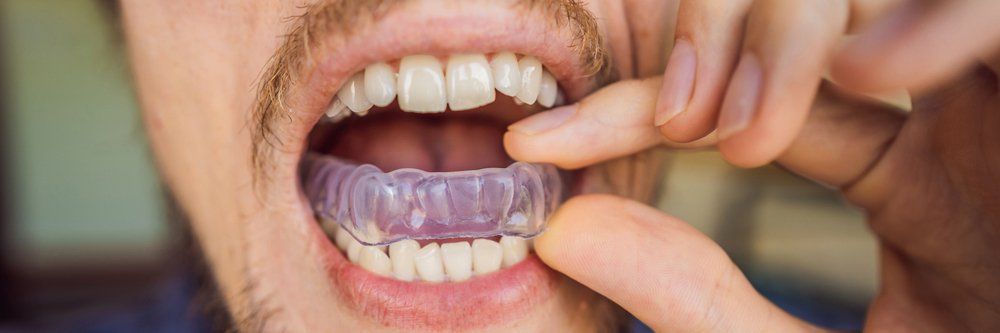
- Wearing a night guard for grinding if your dentist recommends one.
Maintenance needs vary between treatments, so follow the care advice provided for your particular dental work.
Talking Through Your Options with a Dentist
At New Leaf Dentists, we help patients explore cosmetic and restorative dental options based on their oral health, concerns and treatment goals. Based in Erina, we welcome patients from Gosford and across the Central Coast.
During consultations, we discuss potential benefits, limitations and risks, including how treatment expectations compare with realistic outcomes. We also consider your available time, lifestyle, budget and long-term oral health when discussing treatment plans.
Our in-house CAD/CAM milling machine allows us to make certain crowns, inlays and onlays in our Erina laboratory, with same-day treatment possible depending on the case. These restorations are made locally rather than outsourced overseas. For whitening, we use chemically activated dental products without lights or lasers.
Contact our team to arrange a consultation and discuss which dental treatments may be suitable for your needs.
Any surgical or invasive procedure carries risks. Before proceeding, you should seek a second opinion from an appropriately qualified health practitioner.
Frequently Asked Questions
Can Cosmetic Dental Treatment Change the Way You Speak?
Some dental treatments may temporarily affect how the tongue and lips interact with teeth, particularly when tooth shape or position changes. Adaptation varies between individuals. Any persistent speech concerns should be discussed with the treating dentist.
Is Cosmetic Dentistry Suitable for Teenagers?
Suitability depends on the patient's age, dental development, oral health and proposed procedure. Some treatments may be inappropriate while teeth and jaws are still developing. A dental assessment can help determine which options, if any, are suitable.
Are Cosmetic Dental Treatments Covered by Health Insurance?
Private health insurance coverage varies between policies and treatment categories. Procedures considered purely cosmetic may not attract benefits, while certain restorative treatments may be eligible under applicable extras cover. Patients should confirm their entitlements directly with their health fund.
Can Dental Treatment Be Completed Over Several Appointments?
Yes. Some dental plans involve several appointments, particularly when multiple teeth or different treatment needs are involved. Staged care may allow time for healing, reassessment or financial planning. The appropriate sequence depends on the proposed procedures and individual circumstances.
What Should You Bring to Your First Dental Consultation?
It can help to bring a current medication list, relevant medical information and details of previous dental treatment. Any existing dental records or X-rays may also be useful. Preparing questions about treatment options, costs and possible risks can help make the consultation more informative.

Dr Rouel
New Leaf Dentist
DMD, Gen. Dent. Cert., P.G. Dip. Digital Orthodontics, FPFA, FICD, FICCDE, FADI
Rouel is the Principal Dentist at New Leaf Dentists in Erina, NSW, known for his gentle, patient-focused care. He holds a Doctor of Dental Medicine and a Postgraduate Diploma in Digital Orthodontics, with interests in endodontics, prosthodontics and minimally invasive dentistry. Rouel is committed to ongoing education, contributes to CPD training, and currently serves as President (2024–2026) of the Filipino Australian Dental Association.